Germany Accelerates Grid-Scale Battery Storage to Strengthen Renewable Energy Grid
Germany is significantly expanding its grid-scale Battery Energy Storage Systems (BESS) as the country continues to increase electricity generation from renewable energy sources. Large-scale battery projects are being deployed to store surplus electricity from solar and wind farms, improve grid reliability, and support Germany's long-term energy transition strategy known as the Energiewende.
As renewable electricity generation reaches record levels, battery storage has become essential for balancing supply and demand while reducing renewable energy curtailment during periods of excess generation.
📌 Key Highlights
- Germany continues expanding utility-scale battery storage projects.
- Battery systems improve integration of solar and wind power.
- Grid-scale storage enhances electricity reliability and flexibility.
- Supports Germany's long-term Energiewende strategy.
- Helps reduce dependence on fossil fuel power generation.
Why Battery Storage Is Critical
Renewable energy sources such as solar and wind are weather-dependent. Battery storage allows excess electricity generated during sunny or windy periods to be stored and supplied later when renewable generation declines or electricity demand increases.
Benefits of Grid-Scale Battery Storage
- Improves grid stability.
- Reduces renewable energy curtailment.
- Supports higher renewable energy penetration.
- Provides fast-response grid balancing services.
- Reduces reliance on conventional fossil-fuel power plants.
- Enhances energy security.
Germany's Renewable Energy Strategy
Germany continues investing heavily in solar, wind, battery storage, electricity transmission, and smart grid technologies to accelerate decarbonization. Grid-scale batteries are expected to become a key component of the country's future electricity infrastructure as renewable energy capacity continues to grow.
Industry Outlook
Energy analysts expect Germany's battery storage market to expand rapidly over the coming years as falling battery prices, increasing renewable generation, and supportive policies encourage further investment in utility-scale storage projects.
Challenges
Large battery projects require substantial investment, faster grid connection approvals, adequate transmission capacity, and careful recycling strategies at the end of battery life. Continued innovation and policy support will be essential for long-term growth.
Future Outlook
Germany is positioning battery storage as one of the foundations of a modern electricity system. Combined with renewable energy, smart grids, and flexible demand management, battery storage will help create a cleaner, more reliable, and more resilient power network.
Frequently Asked Questions (FAQ)
What is grid-scale battery storage?
Grid-scale battery storage consists of large battery systems that store electricity and supply it back to the power grid when needed.
Why is Germany investing in battery storage?
Battery storage helps integrate increasing amounts of renewable energy while improving grid stability and reducing dependence on fossil fuels.
What does BESS stand for?
BESS stands for Battery Energy Storage System, a technology used to store electrical energy for later use.
How do grid-scale batteries support renewable energy?
They store excess electricity generated by solar and wind farms and release it during periods of lower renewable generation or higher demand.
Will battery storage replace power plants?
Battery storage complements renewable and conventional power generation by improving flexibility and reliability, but it does not completely replace power plants.
What is Germany's Energiewende?
Energiewende is Germany's long-term strategy to transition toward a low-carbon energy system through renewable energy, efficiency improvements, and modern electricity infrastructure.
Related SolSetu Articles
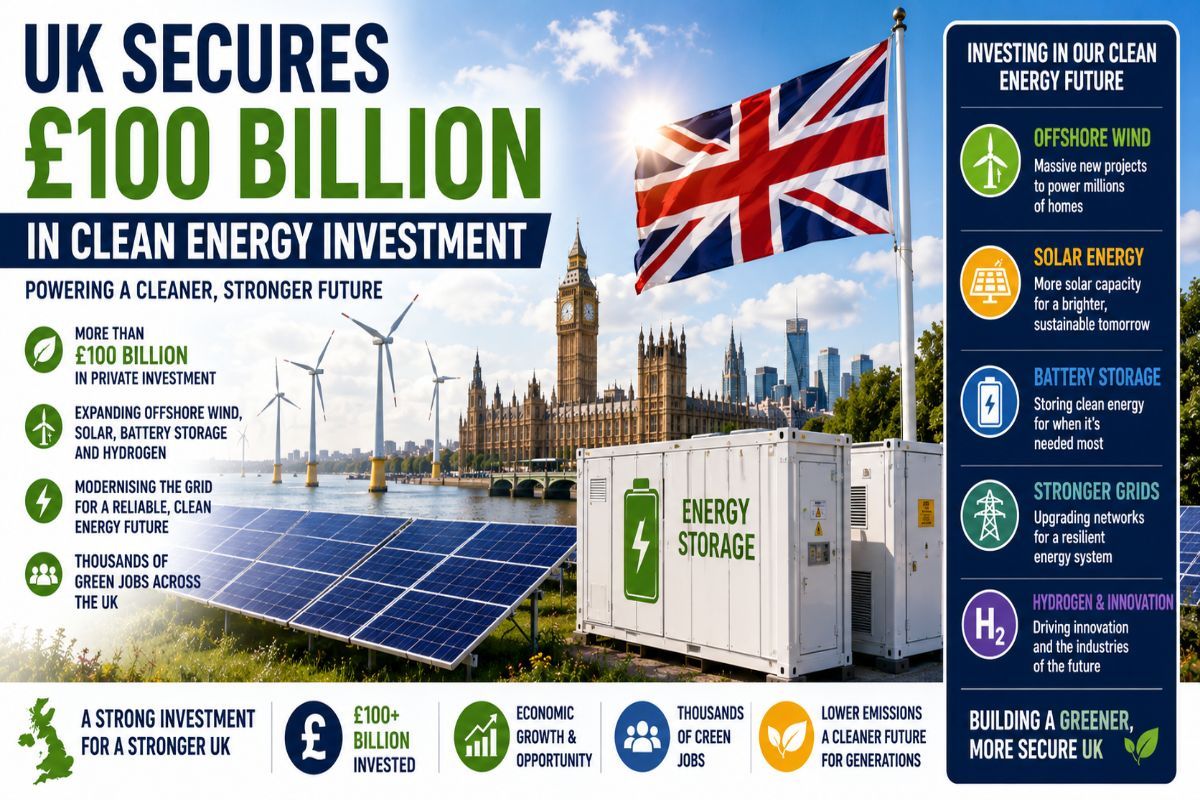
- UK Secures £100 Billion in Clean Energy Investment to Boost Renewable Energy and Jobs
- Australia's Battery Subsidies Drive Record Rooftop Solar Growth in 2026
- Canada Launches National Electricity Strategy to Double Power Generation by 2050
- Virtual Power Plants (VPPs): The Future of Smart Renewable Energy Grids
Source: Industry reports and Germany's ongoing renewable energy and grid modernization initiatives.




Leave a Reply