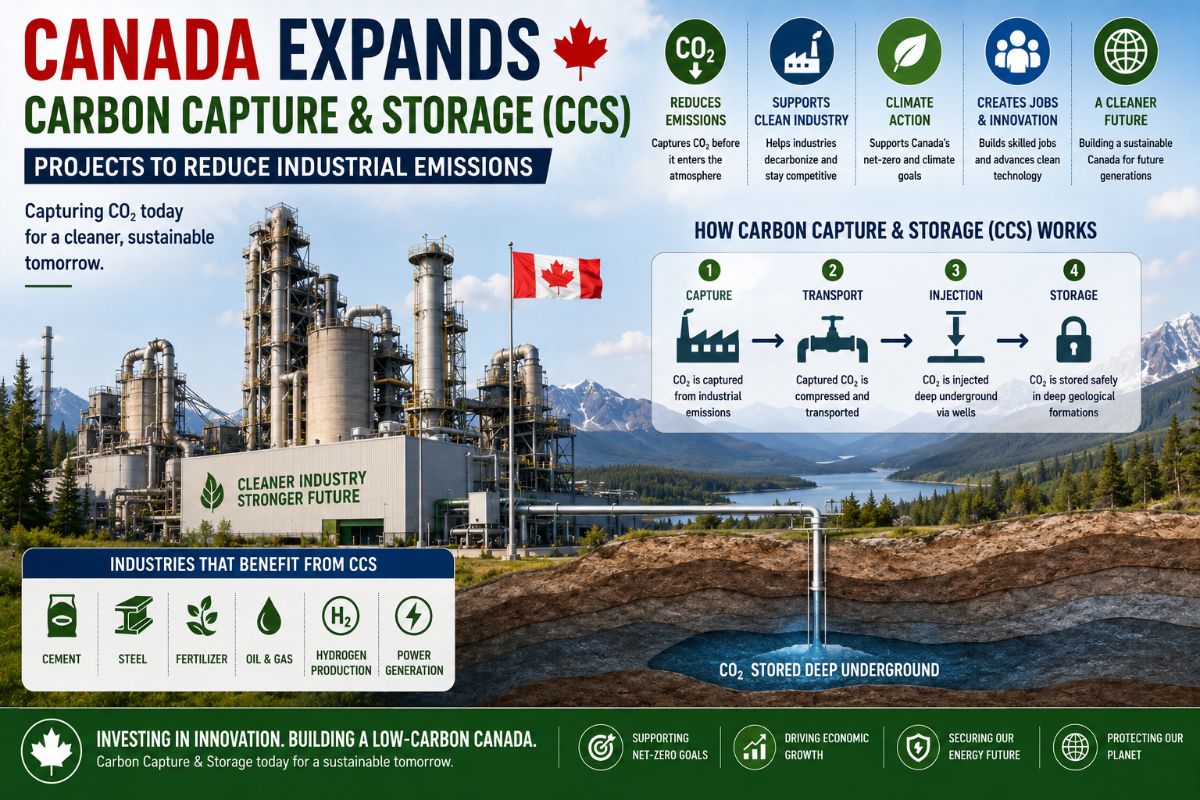
Canada Expands Carbon Capture and Storage Projects to Reduce Industrial Emissions
Canada is strengthening its climate strategy by expanding Carbon Capture and Storage (CCS) projects across key industrial sectors. CCS technology captures carbon dioxide (CO₂) emissions before they reach the atmosphere, compresses the gas, and safely stores it deep underground in geological formations.
By integrating CCS into industries such as cement, steel, fertilizer, hydrogen production, oil & gas, and power generation, Canada aims to reduce industrial emissions while maintaining economic growth and supporting its long-term net-zero commitments.
📌 Key Takeaways
- Country: Canada
- Technology: Carbon Capture and Storage (CCS)
- Sector: Industrial Decarbonization
- Primary Benefit: Captures and permanently stores CO₂ emissions before they enter the atmosphere.
- Applications: Cement, steel, fertilizer, hydrogen production, oil & gas, and thermal power plants.
💡 Did You Know?
Some modern CCS facilities are capable of capturing millions of tonnes of carbon dioxide annually and storing it safely in deep geological formations thousands of metres below the Earth's surface.
What Is Carbon Capture and Storage (CCS)?
Carbon Capture and Storage is a technology that captures carbon dioxide generated during industrial processes or electricity production. The captured CO₂ is compressed, transported through pipelines, and injected into carefully selected underground rock formations where it can remain securely stored for thousands of years.
How CCS Works
- Industrial facilities capture carbon dioxide before release.
- Captured CO₂ is compressed into a dense fluid.
- The CO₂ is transported through pipelines or specialized transport systems.
- Deep geological formations are selected for permanent storage.
- CO₂ is injected thousands of metres underground.
- Monitoring systems ensure long-term storage safety.
Why Canada Is Investing in CCS
- Reduce industrial greenhouse gas emissions.
- Support net-zero climate targets.
- Protect industrial competitiveness.
- Encourage clean technology innovation.
- Create skilled employment opportunities.
- Strengthen long-term energy security.
Benefits of Carbon Capture and Storage
- Significantly lowers industrial CO₂ emissions.
- Supports difficult-to-decarbonize industries.
- Works alongside renewable energy deployment.
- Helps achieve national climate commitments.
- Encourages investment in clean industries.
- Provides long-term carbon management solutions.
Challenges
CCS projects require substantial investment, specialized transport infrastructure, geological assessments, and continuous monitoring. Public acceptance, regulatory frameworks, and economic viability also play important roles in expanding CCS deployment.
Frequently Asked Questions
What is Carbon Capture and Storage?
Carbon Capture and Storage is a technology that captures carbon dioxide emissions from industrial sources and permanently stores them underground to prevent atmospheric release.
Why is Canada investing in CCS?
Canada is investing in CCS to reduce industrial emissions, achieve net-zero climate goals, support clean industries, and maintain economic competitiveness.
Is stored CO₂ safe?
When properly selected and monitored, deep geological storage sites can securely contain carbon dioxide for very long periods.
Which industries benefit from CCS?
Cement, steel, fertilizer, hydrogen production, oil & gas processing, and thermal power generation are among the industries that can benefit from CCS.
Can CCS replace renewable energy?
No. CCS complements renewable energy by reducing emissions from industries that are difficult to electrify while renewable energy continues to replace fossil-fuel electricity generation.
Can CCS help achieve net-zero emissions?
Yes. Many climate experts consider CCS an important technology for reducing emissions from heavy industries while supporting broader decarbonization strategies.
Recommended Renewable Energy Products

WAAREE II 580–585W TOPCon Bifacial Solar Panel
High-efficiency bifacial solar panel suitable for residential, commercial, and utility-scale renewable energy projects.

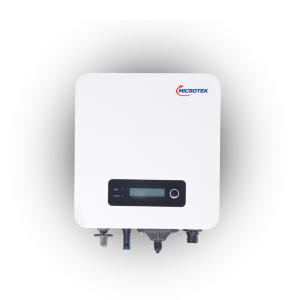
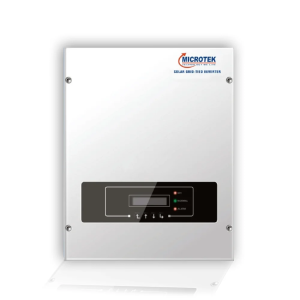
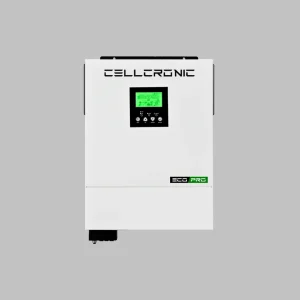
Luminous NXG 1450e Solar Inverter
Efficient solar inverter designed for dependable renewable energy systems.

Kenbrook Solar MC4 Crimping Tool Kit
Professional installation tool for secure MC4 connector assembly.

Pure Copper Lightning Arrester
Provides reliable surge and lightning protection for renewable energy systems.
Related SolSetu Articles
- Saudi Arabia Accelerates Green Hydrogen and Renewable Energy Mega Projects
- Japan Develops Perovskite Solar Cells for Next-Generation Clean Energy
- Australia Builds Renewable Energy Zones to Accelerate Clean Power
- India Expands Pumped Storage Hydropower for Renewable Energy Storage
Affiliate Disclosure: This article contains affiliate links. SolSetu may earn a commission from qualifying purchases at no additional cost to buyers.






Leave a Reply