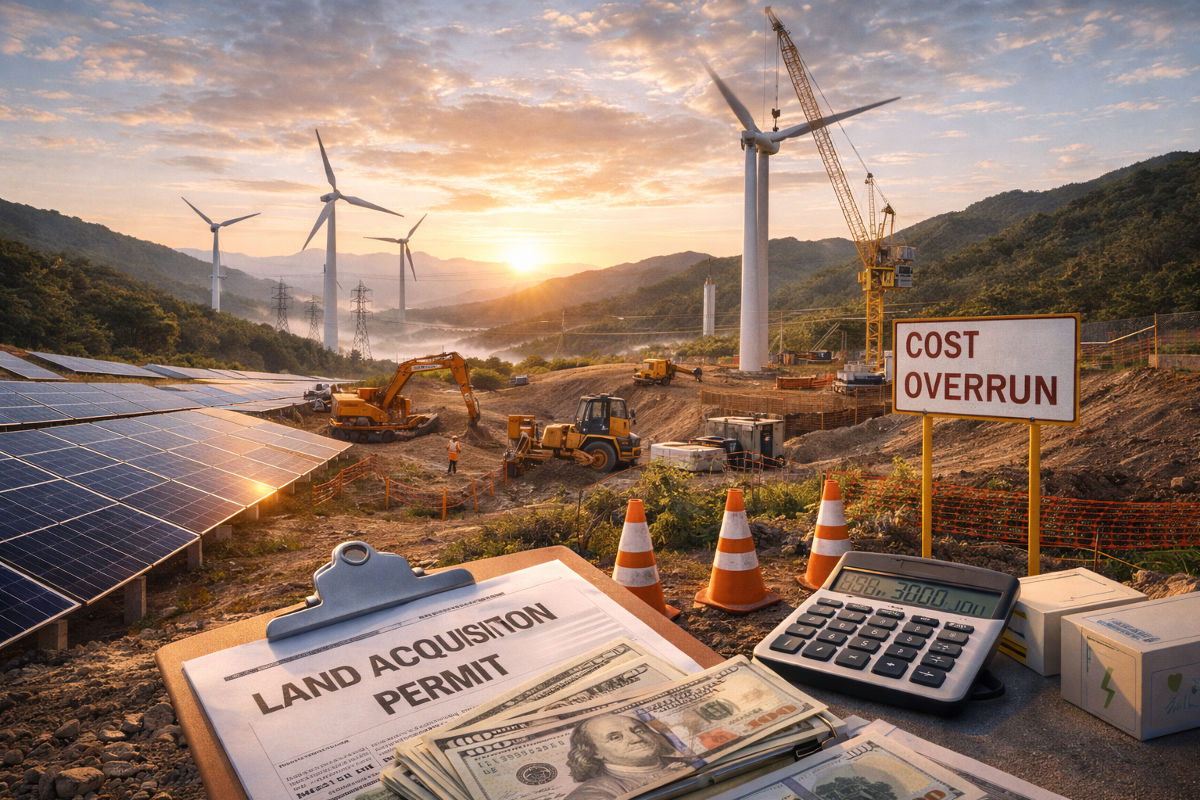
Renewable Energy in 2026: A Defining Year for the Global Power Transition
Published: 31 January 2026 | Author: Girish
The year 2026 is increasingly being recognized as a defining milestone for renewable energy worldwide. What once progressed as a climate-driven initiative has now evolved into a core economic and strategic priority for nations. Clean energy technologies are no longer competing with conventional power sources—they are shaping the future structure of electricity systems.
Solar and Wind Take Center Stage
Solar and wind power continue to dominate new capacity additions across global markets. Falling technology costs, rapid deployment timelines, and scalable project models have enabled renewables to meet rising electricity demand more efficiently than fossil-based alternatives. In several regions, new solar installations are now among the lowest-cost sources of power generation.
Wind energy, particularly onshore projects, has strengthened grid diversity and seasonal balance. Hybrid solar–wind plants are increasingly preferred by utilities seeking stable output profiles and optimized land use.
Energy Storage Becomes a Strategic Asset
In 2026, energy storage has shifted from a supporting role to a central component of renewable deployment strategies. Battery storage systems are being integrated at both utility and distribution levels, enabling smoother power delivery, frequency regulation, and peak demand management.
Pumped hydro storage and long-duration storage technologies are also gaining renewed attention as grids move toward higher renewable penetration. These developments are critical for maintaining reliability while reducing dependence on fossil-based backup generation.
India’s Position in the Renewable Transition
India remains a key driver of renewable energy growth among emerging economies. Large-scale solar parks, decentralized rooftop systems, and agricultural solarization programs have expanded clean power access across urban and rural regions alike. The national focus has broadened from capacity targets to grid readiness, storage adoption, and domestic manufacturing.
Renewable energy is increasingly linked to rural livelihoods, irrigation reliability, and energy security, reinforcing its role beyond electricity generation alone.
Policy Shifts Reflect a Maturing Market
Renewable energy policies in 2026 reflect market maturity rather than early-stage acceleration. Governments are prioritizing project execution quality, financial sustainability, and system integration. Long-term power purchase agreements, round-the-clock renewable supply models, and storage-linked tenders are becoming standard practice.
These policy shifts aim to ensure that renewable growth aligns with grid stability and investor confidence, avoiding boom-and-bust cycles seen in earlier phases.
Challenges That Still Remain
Despite strong progress, the renewable sector faces persistent challenges. Transmission infrastructure expansion has not always kept pace with generation capacity. Land acquisition, permitting timelines, and rising financing costs also continue to influence project economics.
Addressing these issues requires coordinated planning across governments, utilities, and private developers, alongside continued innovation in grid management technologies.
The Road Ahead
As 2026 unfolds, renewable energy is firmly positioned as the backbone of future power systems. Advances in digital forecasting, energy storage, and clean fuels such as green hydrogen are expected to further strengthen the role of renewables in industry and transportation.
The global energy transition is no longer a distant objective—it is an active transformation underway. Nations that invest early in resilient, flexible renewable systems are likely to gain long-term economic and environmental advantages.
About SolSetu: SolSetu is a renewable energy information and marketplace platform focused on connecting verified vendors, developers, and stakeholders across the clean energy ecosystem.



Leave a Reply