Smart Rooftop Safety: How 2025 Standards Are Making Residential Solar More Reliable
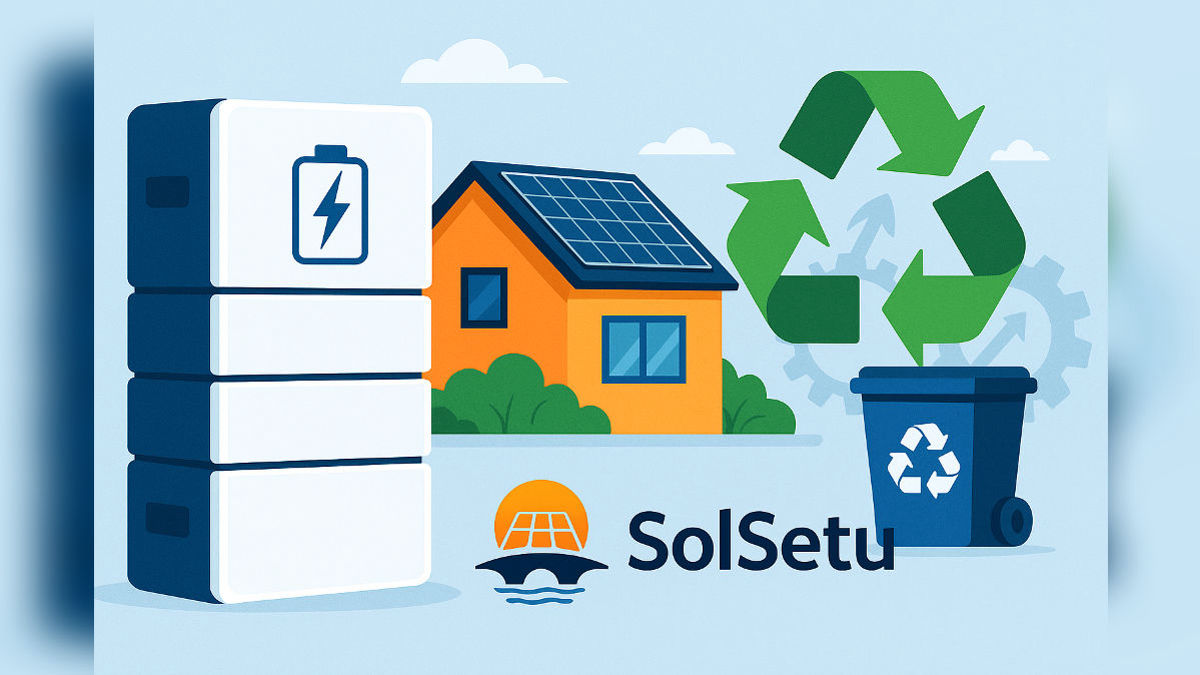
India’s residential solar sector is undergoing a major shift in 2025 with the introduction of new rooftop safety and reliability standards. With solar installations increasing rapidly, ensuring safe wiring, fault detection, and emergency shutdown is becoming just as important as energy generation.
Quick insight: Modern rooftop solar kits now include rapid shutdown modules, AFCI protection, and thermal sensors as standard equipment.
What’s changing in rooftop safety
The 2025 guidelines encourage homeowners and vendors to adopt safer components such as:
- Rapid Shutdown Systems (RSS) to de-energize rooftop conductors instantly during emergencies.
- AFCI (Arc-Fault Circuit Interruption) to detect spark hazards before they become dangerous.
- Thermal monitoring sensors to track hotspots under panels and prevent fire risks.
- High-quality MC4 connectors to reduce loose connections and overheating.
Why it matters for homeowners
With more hybrid inverters, batteries, EV chargers and rooftop arrays installed than ever, safety has become a top priority. Better standards reduce long-term risk and protect assets worth lakhs of rupees.
Impact on EPC vendors
Vendors are now expected to offer:
- Thermal imaging audits during commissioning
- Certified wiring & protection practices
- Shutdown compliance documentation
- Periodic safety inspections for AMCs
Bottom line: Smarter rooftop safety ensures long-lasting performance, reduces risk, and builds trust between homeowners and solar EPC vendors.




Leave a Reply