HeatWave Shields: How New Solar Mounting Systems Are Protecting Panels During Extreme Weather in 2025
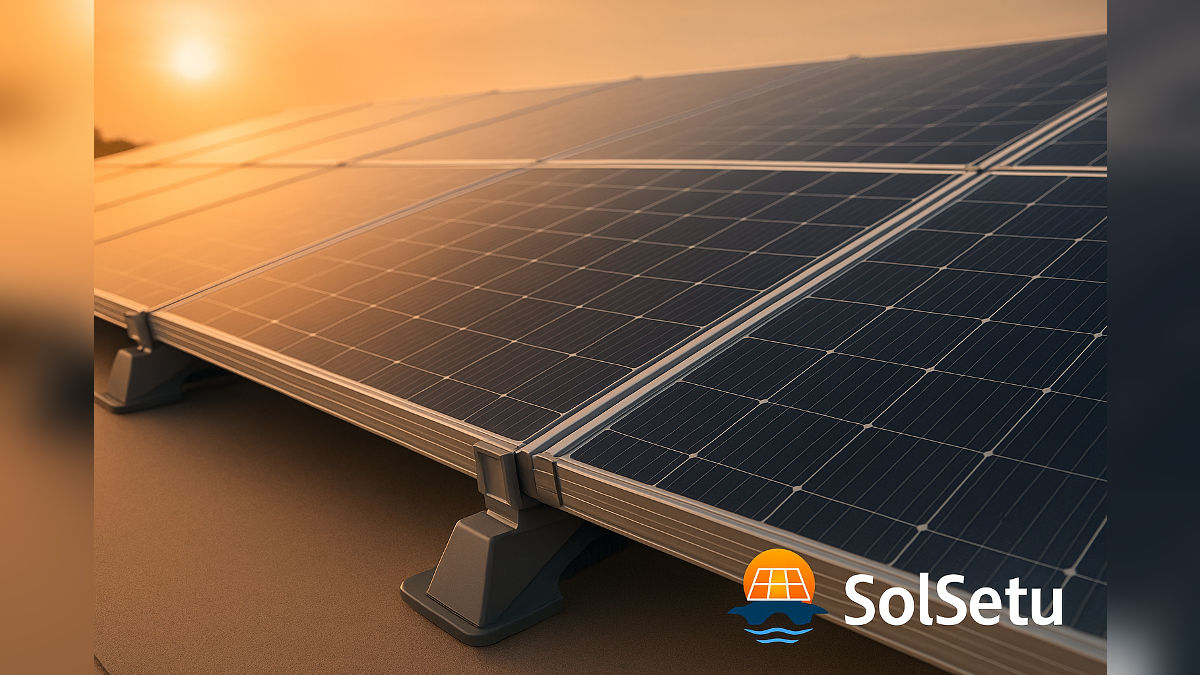
India has experienced back-to-back heatwaves and erratic storms, pushing homeowners and EPC vendors to rethink how rooftop solar systems are mounted. In 2025, a new generation of heatwave-optimized, storm-resistant mounting systems is rapidly becoming the standard in both homes and commercial buildings.
What’s changing in rooftop protection?
Instead of basic L-angle frames, installers are now using:
- Heat-resistant powder coatings with higher reflectivity
- Aerodynamic wind deflectors for storm stability
- Shock-absorbent polymer rails for panel vibration control
- Flexible clamps that adjust micro-expansion during heatwaves
Why this matters for homeowners
Extreme heat accelerates micro-cracks in PV cells and wears down mounting structures. Storms create uplift forces that can dislodge poorly mounted arrays. With improved 2025 systems, homeowners get:
- Longer panel lifespan
- Reduced risk of structural damage
- Higher annual energy yield due to cooler operating temperatures
- Improved safety during windstorms
Impact for vendors & EPC installers
EPC companies benefit from fewer callbacks, lower maintenance complaints, and higher customer trust. Many installers now bundle “WeatherShield Mounting Packages” as a premium option for new homes.
Bottom Line
As climate extremes intensify, rooftop solar protection is no longer optional. Heatwave-proof and storm-resistant mounting systems are becoming a default requirement for India’s solar future.




Leave a Reply