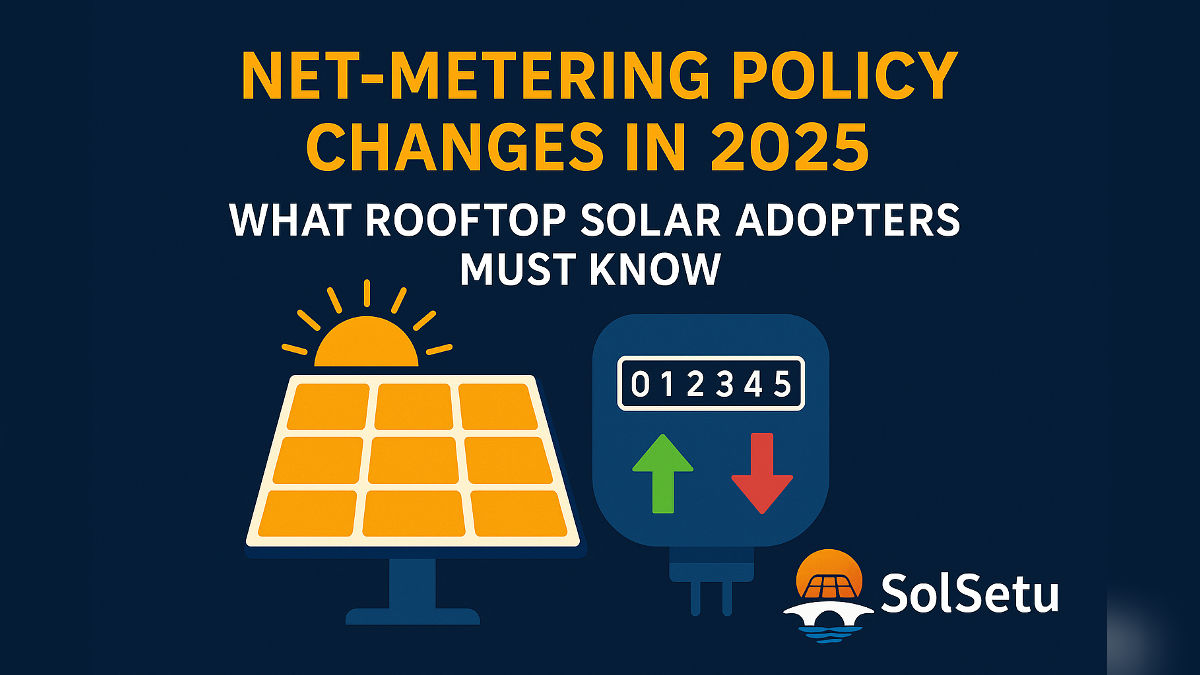
Net-metering Policy Changes in 2025: What Rooftop Solar Adopters Must Know
Several state DISCOMs and central guidance have refined net-metering rules in 2025. These changes affect export credits, time-of-day accounting, and rooftop solar economics for homeowners and small businesses. Here’s a concise primer on what changed and practical steps you should take now.
Key policy changes to watch
- Export credit adjustments: Many DISCOMs shifted from 1:1 netting to time-of-day (ToD) export credits or capped monthly export credits for new connections.
- Feed-in tariff clarifications: Several states announced distinct feed-in tariffs for excess injection during peak vs off-peak hours.
- Registration & meter upgrade: Faster digital net-metering portals introduced — but some DISCOMs require smart meter upgrades for ToD accounting.
- Subsidy reconciliation: For subsidy beneficiaries, commissioning timelines tightened to qualify for payouts.
How these changes affect rooftop system economics
- If your DISCOM switches to ToD credits, midday exports may earn less than expected — storage or load-shifting becomes more valuable.
- Capped export credits reduce monthly bill offset potential; payback periods may lengthen slightly for new systems.
- Smart meters and data logging improve accuracy but may add a small upfront cost (often reimbursable).
What homeowners & small businesses should do now
- Confirm the latest net-metering policy for your DISCOM via their portal or SolSetu vendor partners.
- Ask vendors to model system economics under both 1:1 and ToD scenarios — include battery storage options.
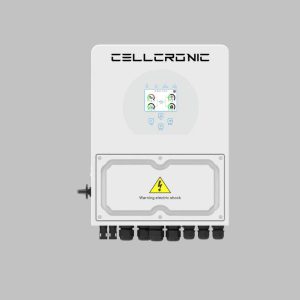
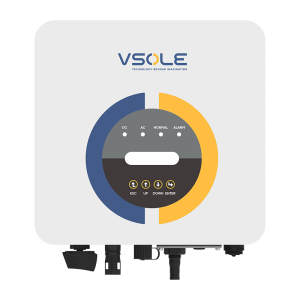
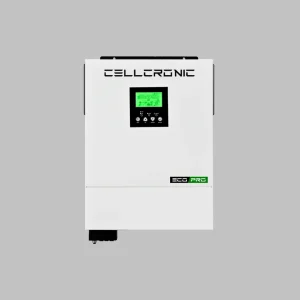
- Consider hybrid inverters & batteries for households where ToD reduces export value; storing midday energy for evening use can increase savings.
- Verify whether smart meter installation is required and who bears the cost.
Practical checklist for your vendor conversation
Checklist:
- DPR with ToD/1:1 yield sensitivity
- Smart meter upgrade plan & cost sharing
- Battery sizing scenario (kWh) and payback estimates
- Subsidy & commissioning timeline compliance
Industry events & where to learn more
For hands-on conversations with DISCOM representatives, vendors and battery suppliers, consider attending Solar Asia Expo 2025 – Indore (12–14 December). SolSetu will be covering policy sessions and on-ground vendor workshops — a good place to cross-check models and meet smart-meter / battery vendors.



Leave a Reply