
India’s Solar Storage Revolution: How Battery Systems Are Powering 24x7 Clean Energy
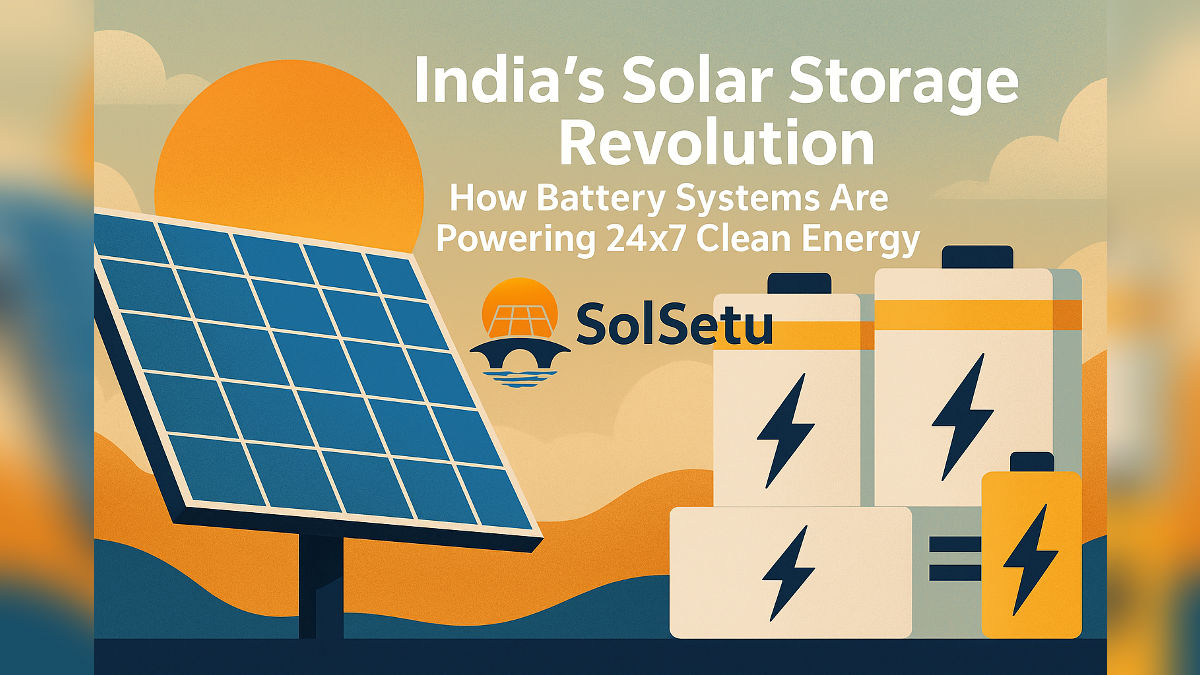
India’s clean energy transition is entering a new era — where sunlight captured during the day now powers homes and factories through the night. With record-breaking Battery Energy Storage Systems (BESS) tenders and hybrid solar projects, 2025 marks the beginning of India’s solar storage revolution.
Why Storage Is Crucial for Solar Growth
Solar energy’s biggest limitation has always been intermittency. Energy storage — from lithium-ion batteries to advanced flow batteries — is enabling 24-hour dispatchable renewable power. MNRE’s recent 4 GWh storage auction and SECI’s 500 MW solar + storage hybrid projects underscore this strategic shift.
Government Push and Policy Incentives
Under India’s National Energy Storage Mission, the government is targeting 50 GWh of installed battery capacity by 2030. New incentives, such as viability gap funding and tax benefits under the Production Linked Incentive (PLI) scheme for battery manufacturing, are boosting domestic capacity.
Emerging Technologies: Beyond Lithium
- Sodium-ion and Zinc-air batteries — gaining attention for being cheaper and more sustainable alternatives.
- Thermal storage systems — being tested for hybrid solar parks to store heat instead of electricity.
- Second-life EV batteries — repurposed for small microgrids and C&I rooftop systems.
How Homeowners and Businesses Benefit
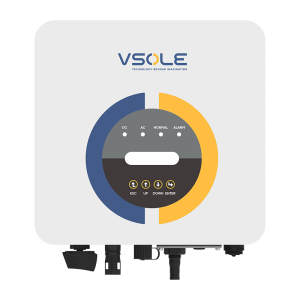
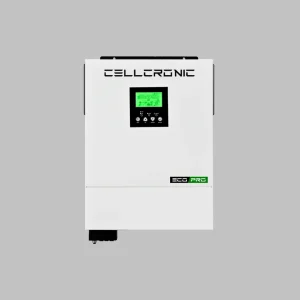
Residential customers using hybrid inverters with LiFePO₄ batteries can now enjoy backup power and energy independence during outages. Meanwhile, commercial and industrial (C&I) users are adopting storage-backed rooftop solar to shave peak demand and save on demand charges.
Challenges Ahead
While costs have fallen 80% in a decade, batteries still add 20–25% to total project costs. Recycling infrastructure and raw material supply chains (especially lithium and nickel) remain critical. India’s push for local cell manufacturing under the PLI scheme aims to address these gaps.
The Future Outlook
Analysts predict that by 2030, one in every three new solar projects will include integrated storage. With smart grids, AI-driven energy management, and domestic cell manufacturing ramping up, India is poised to deliver truly round-the-clock clean power to millions.
List your solar + storage business on SolSetu



Leave a Reply