Top Renewable Energy Trends Transforming India and Global Markets in 2026
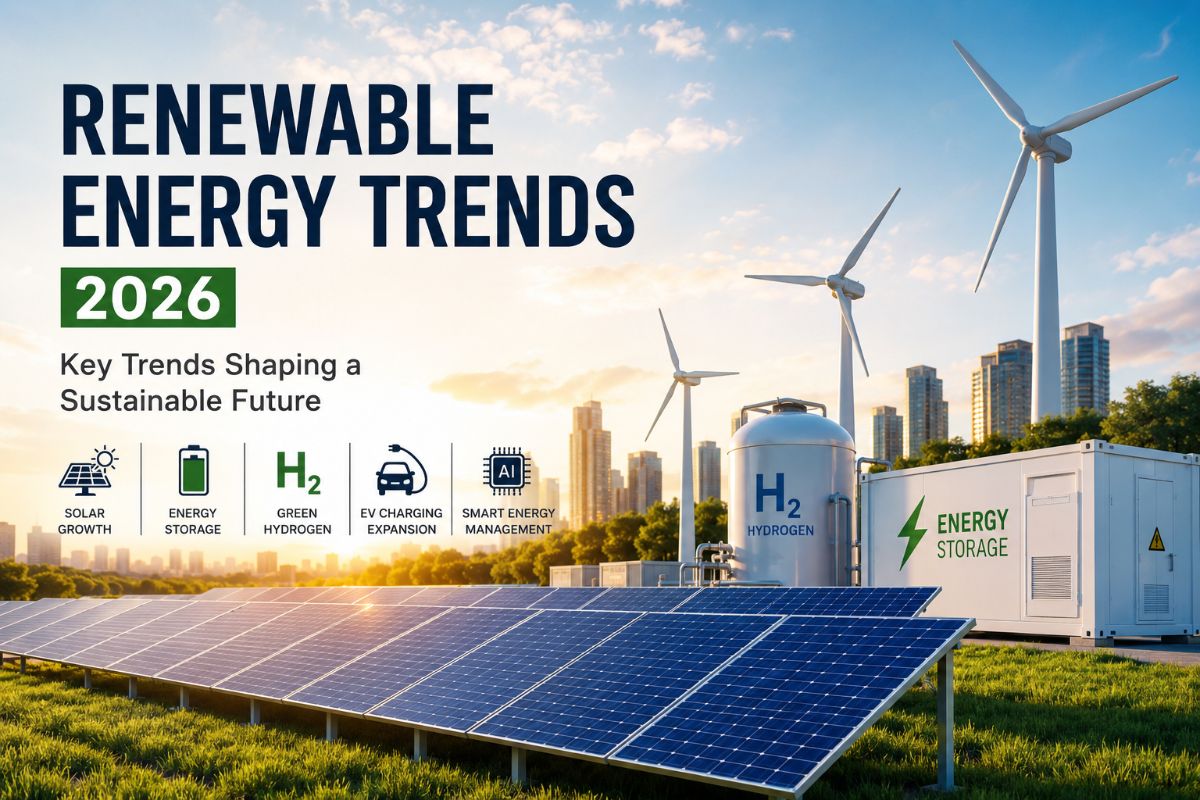
The global renewable energy sector is entering a transformative era in 2026. Rapid advancements in solar technology, battery storage systems, electric mobility, smart grids, and green hydrogen are reshaping how countries generate and consume energy. Governments, businesses, and consumers are increasingly shifting toward cleaner and more sustainable energy solutions.
India has emerged as one of the fastest-growing renewable energy markets globally, driven by ambitious climate targets, solar subsidies, rooftop adoption, and large-scale infrastructure investments. Industry experts believe the next decade will define the future of clean energy innovation and energy independence.
1. Rooftop Solar Adoption Continues to Accelerate
Residential and commercial rooftop solar installations are witnessing unprecedented growth across India and international markets. Government-backed programs such as PM Surya Ghar Yojana are encouraging homeowners and businesses to reduce electricity bills through solar adoption.
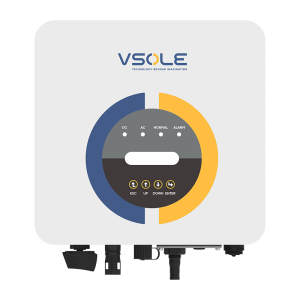
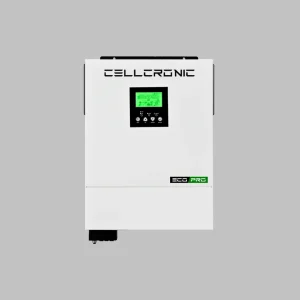
Falling solar panel prices, improved financing models, and faster installation timelines are making rooftop systems more accessible than ever before. Smart inverters and AI-enabled monitoring platforms are also improving system efficiency and long-term performance.
2. Battery Energy Storage Systems (BESS) Become Mainstream
Battery storage is becoming a critical component of renewable energy infrastructure. Energy storage systems help stabilize power supply, reduce grid dependency, and improve renewable integration.
Large-scale lithium-ion battery projects are expanding rapidly across solar parks, industrial facilities, and EV charging networks. New battery chemistries and recycling technologies are also improving sustainability and reducing operational costs.
Major Benefits of Battery Storage
- Backup power during outages
- Better utilization of solar energy
- Peak load management
- Improved grid reliability
- Lower electricity expenses for industries
3. Green Hydrogen Gains Massive Attention
Green hydrogen is emerging as one of the most promising clean fuel alternatives for industries such as steel, shipping, fertilizers, and heavy transportation. Countries are investing heavily in hydrogen production facilities powered by renewable energy.
India’s National Green Hydrogen Mission is expected to attract significant investments and accelerate domestic manufacturing capabilities. Analysts believe green hydrogen could become a major export opportunity in the coming years.
4. Electric Vehicle Charging Infrastructure Expands Rapidly
The growth of electric vehicles is driving demand for advanced EV charging infrastructure. Public charging stations, highway charging corridors, and solar-powered charging systems are becoming more common across urban and rural regions.
Many renewable energy companies are integrating EV charging with rooftop solar and battery storage to create complete clean energy ecosystems.
5. AI and Smart Energy Management Systems
Artificial Intelligence is playing an increasingly important role in energy management. Smart platforms now analyze energy consumption patterns, predict maintenance requirements, optimize solar generation, and automate energy distribution.
AI-powered systems help reduce operational costs while improving energy efficiency for homes, industries, and utility-scale projects.
6. Smart Grids and Digital Energy Infrastructure
Countries are investing in smart grid modernization to handle rising renewable penetration. Advanced metering infrastructure, real-time monitoring systems, and digital substations are helping utilities improve power distribution efficiency.
Smart grids are expected to become essential for integrating distributed renewable sources, electric vehicles, and energy storage systems into national power networks.
7. Renewable Energy Investments Reach New Highs
Global investments in renewable energy are expected to continue rising in 2026. Institutional investors, private equity firms, and infrastructure funds are increasingly focusing on sustainable energy assets.
Solar parks, transmission infrastructure, hydrogen projects, and energy storage facilities are attracting long-term capital due to growing energy demand and climate commitments.
Future Outlook for Renewable Energy
The renewable energy sector is no longer limited to environmental sustainability. It has become a strategic driver of economic growth, energy security, industrial innovation, and job creation.
Experts predict that integrated clean energy ecosystems combining solar, storage, EV charging, hydrogen, and AI-based management will define the next phase of global energy transformation.
As technology continues to evolve and costs decline further, renewable energy adoption is expected to accelerate across residential, commercial, industrial, and utility-scale segments worldwide.
Looking for trusted renewable energy vendors, solar installers, EPC companies, or clean energy business opportunities?
Visit:
https://solsetu.com




Leave a Reply