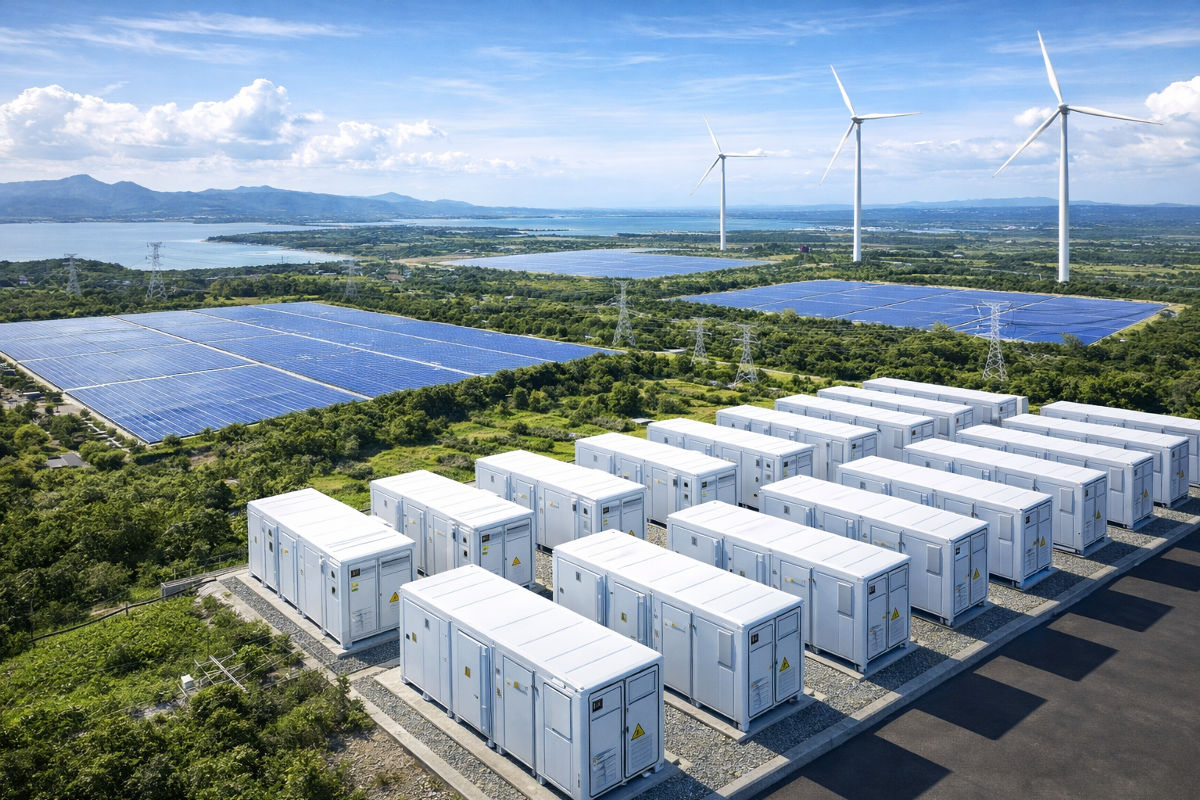
Power Grids Enter a New Era as Storage and Digital Systems Enable Renewable Expansion
Author:
Girish
Published:
Renewable Growth Shifts the Spotlight to Power Infrastructure
The rapid expansion of solar and wind power is transforming global electricity generation, but it is also exposing the limitations of traditional power grids. As renewable penetration increases, the ability of grids to manage variability and maintain stability has become a defining challenge.
In response, countries are accelerating investment in energy storage and digital grid technologies, marking a fundamental shift in how power systems are designed and operated.
Energy Storage Moves From Support Role to Core Asset
Battery energy storage systems are no longer viewed as optional supplements to renewable projects. They are increasingly treated as essential infrastructure that enables higher solar and wind integration without compromising reliability.
Utility-scale batteries are now deployed to manage peak demand, stabilize frequency, and store excess renewable generation for later use, reshaping electricity supply patterns.
Digital Grids Enable Real-Time Power Balancing
Smart grid technologies are allowing operators to monitor and manage electricity flows in real time. Advanced sensors, automated substations, and predictive analytics help balance variable renewable output with consumer demand.
These digital systems are improving fault detection, reducing outages, and increasing overall grid efficiency across both developed and emerging markets.
Falling Storage Costs Accelerate Deployment
Declining battery costs and improvements in performance are accelerating global storage deployment. What was once economically viable only in select markets is now becoming standard practice for new renewable installations.
As storage becomes more affordable, hybrid renewable projects are increasingly designed with built-in flexibility from the outset.
Emerging Economies Adopt Flexible Grid Models
Developing economies are using storage and smart grids to bypass fossil-heavy power system models. Distributed renewable systems combined with digital control are enabling faster electrification and improved resilience.
These flexible models are particularly effective in regions with rapidly growing electricity demand and limited legacy infrastructure.
Market Outlook: Reliability Becomes the New Priority
As renewable capacity continues to rise, the focus of energy markets is shifting from generation volume to system reliability. Investors and policymakers are prioritizing projects that combine clean generation with storage and grid intelligence.
This trend is expected to define the next phase of the global energy transition.
Conclusion
The transformation of power grids through energy storage and digital technologies is becoming inseparable from renewable energy growth. Together, they form the foundation of resilient, low-carbon electricity systems built for the future.




Leave a Reply