
India’s Solar Panel Demand Surge Under PM-KUSUM: A Deep Dive into DCR vs Non-DCR and Global Supply Dynamics
By Girish | SolSetu
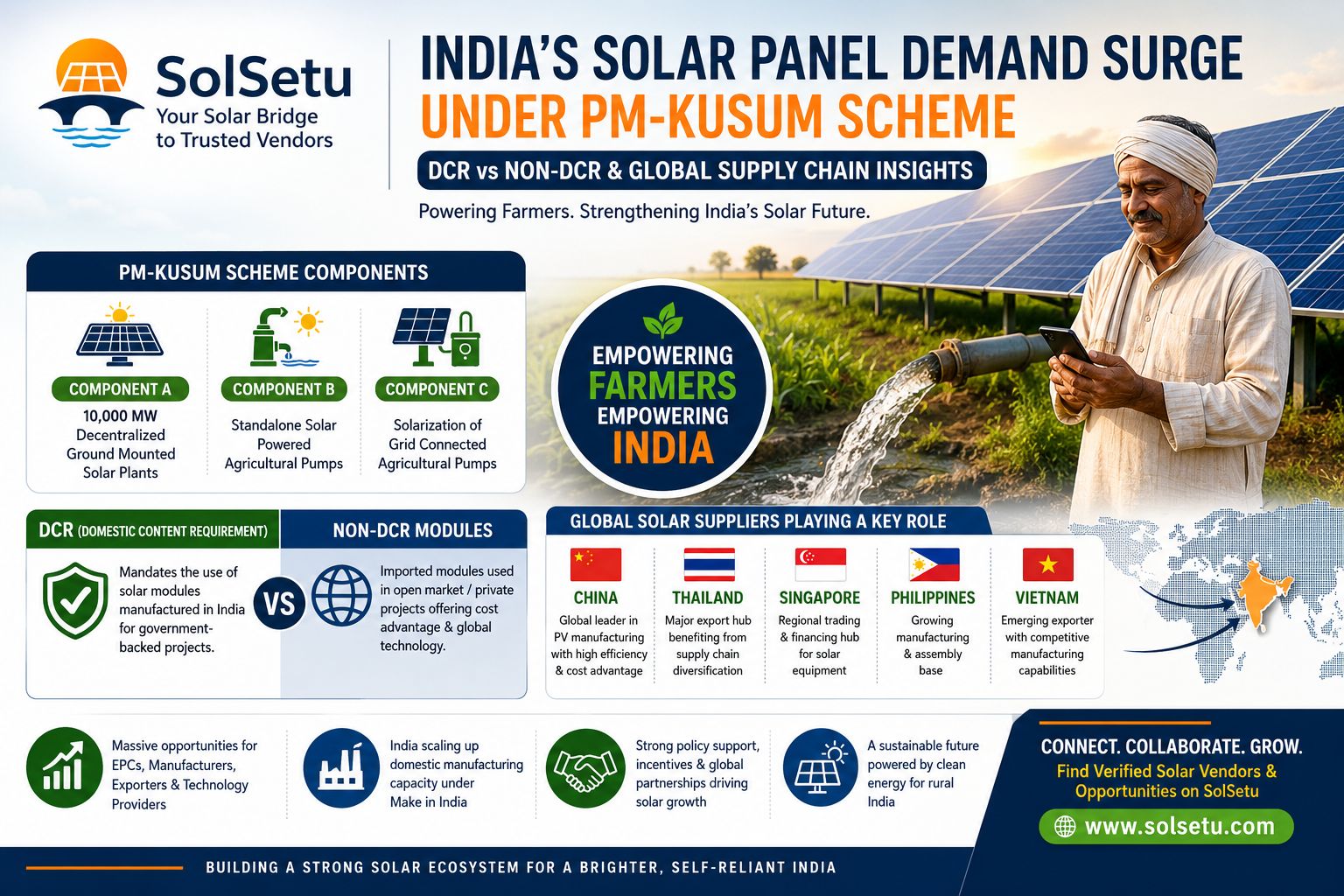
India’s renewable energy sector is entering a decisive decade, with the PM-KUSUM Scheme (Components A, B, and C) acting as a major catalyst for decentralized solar deployment. As demand accelerates across rural and agricultural segments, the requirement for solar PV modules—both DCR (Domestic Content Requirement) and Non-DCR—is reshaping supply chains across India and Asia.
Understanding PM-KUSUM Solar Demand
The PM-KUSUM scheme aims to install decentralized solar capacity for farmers through:
- Component A: 10,000 MW decentralized ground-mounted solar plants
- Component B: Standalone solar-powered agricultural pumps
- Component C: Solarization of existing grid-connected pumps
These components collectively generate a massive demand pipeline for solar modules, especially in states like Rajasthan, Maharashtra, Madhya Pradesh, and Uttar Pradesh.
DCR vs Non-DCR: The Core Procurement Divide
DCR (Domestic Content Requirement)
DCR mandates the use of solar modules manufactured in India, particularly for government-backed projects. This policy is aimed at strengthening domestic manufacturing under the Make in India initiative.
Non-DCR Modules
Non-DCR modules are typically imported and used in open market or private projects. These modules often offer cost advantages and higher efficiency due to global technological advancements.
India’s Manufacturing Push
India has significantly expanded its domestic manufacturing capacity, with leading companies scaling up production of high-efficiency modules (Mono PERC, TOPCon, etc.). However, supply-demand gaps still exist, especially for large-scale KUSUM deployments.
Role of Global Solar Suppliers
Countries like China, Thailand, Singapore, and the Philippines play a crucial role in supplementing India's solar demand:
- China: Dominates global PV manufacturing with cost-effective, high-efficiency modules
- Thailand & Vietnam: Emerging export hubs benefiting from supply chain diversification
- Singapore: Regional trading and financing hub for solar equipment
- Philippines: Growing manufacturing and assembly base
Despite import duties (like ALMM and BCD policies), these countries continue to influence India's solar procurement ecosystem.
Opportunities for Vendors and EPC Players
The KUSUM scheme opens up massive opportunities for:
- Solar EPC contractors
- Module manufacturers (DCR-certified)
- Global exporters targeting India
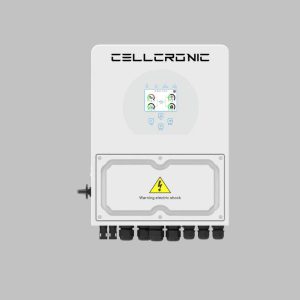
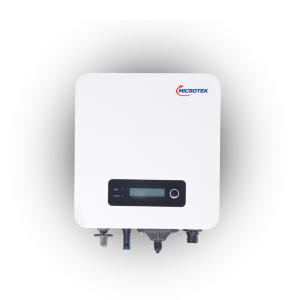
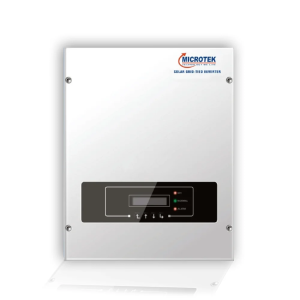
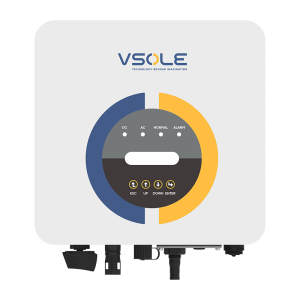
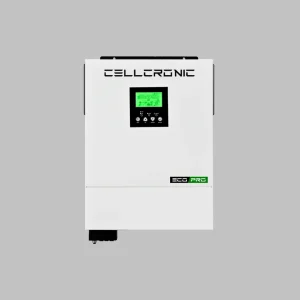
- Technology providers (inverters, structures, IoT monitoring)
Platforms like SolSetu are bridging the gap between verified vendors and real project demand across India.
Future Outlook
India’s solar demand under PM-KUSUM is expected to remain strong through 2030. With policy clarity, domestic manufacturing incentives, and global partnerships, the country is poised to become a solar powerhouse.
Looking to connect with verified solar vendors?
Explore Listings on SolSetu
🚀 Get More Solar Leads with SolSetu
Are you a solar EPC contractor, manufacturer, distributor, or exporter? India’s solar demand under PM-KUSUM is growing rapidly — but most vendors are still missing high-quality leads.
With SolSetu, you can showcase your business, connect with verified buyers, and grow your presence in India’s fast-expanding solar market.
- ✔ Get discovered by real solar buyers
- ✔ Improve visibility across India
- ✔ Showcase your projects & expertise
- ✔ Connect with EPCs, farmers & businesses
Start with a free listing and upgrade anytime for more visibility.
☀️ Looking for Solar Installation? Get Free Quotes
Planning to install solar for your home, business, or agricultural pump under PM-KUSUM?
Submit your requirement on SolSetu and receive quotes from verified solar vendors near you.
- ✔ Compare multiple solar quotes easily
- ✔ Connect with trusted EPC vendors
- ✔ Get solutions for rooftop, pumps & ground-mounted solar
- ✔ Save cost with competitive pricing
100% free — no obligation. Find the best solar solution for your needs.




Leave a Reply