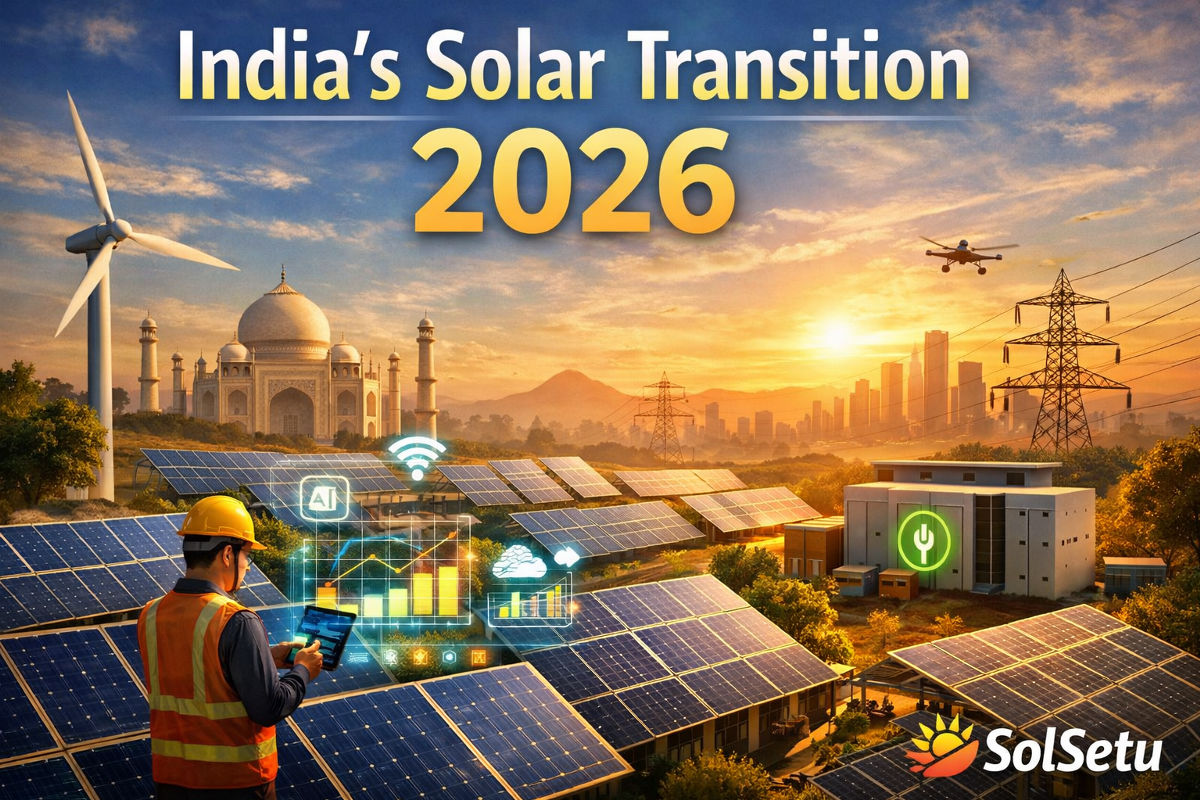
India’s Solar Transition in 2026: From Capacity Growth to Energy Intelligence
By Girish |
India’s solar energy journey in 2026 marks a decisive shift. The national conversation is no longer limited to megawatts installed or yearly capacity targets. Instead, the focus has moved toward how solar power is produced, managed, distributed, and monetized intelligently across residential, commercial, agricultural, and industrial segments.
The End of the “Capacity-Only” Era
For over a decade, India’s renewable strategy emphasized rapid solar deployment. Large-scale parks, rooftop programs, and government incentives successfully pushed installations across the country. By 2026, this foundation is largely in place.
The new challenge is optimization. Grid congestion, power quality issues, seasonal demand mismatches, and underutilized rooftop assets have exposed the limits of growth driven only by installation numbers.
Rise of Energy Intelligence in Solar Systems
Energy intelligence refers to the integration of data, automation, and analytics into solar generation and consumption. In 2026, this is becoming a core requirement rather than an optional upgrade.
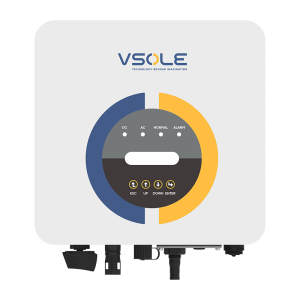
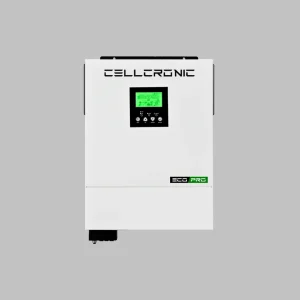
- Smart inverters dynamically responding to grid conditions
- AI-based forecasting improving solar output predictability
- IoT-enabled monitoring for rooftops and ground-mounted systems
- Data-driven maintenance reducing downtime and losses
These technologies allow solar assets to behave as responsive energy systems instead of passive power sources.
Distributed Solar Takes Center Stage
Distributed solar—especially rooftop and community-scale projects—is gaining momentum in 2026. Unlike centralized plants, distributed systems reduce transmission losses and strengthen local energy resilience.
Policy frameworks increasingly favor decentralization, encouraging residential consumers, MSMEs, and farmers to become energy producers as well as consumers.
Policy Signals Driving the Next Phase
Government initiatives are evolving to support smarter solar adoption. Emphasis is shifting toward performance- linked incentives, digital verification of generation, and transparent vendor ecosystems.
This approach rewards long-term efficiency rather than short-term installation volume, improving trust across the solar value chain.
What This Means for Consumers and Businesses
For consumers, solar in 2026 is no longer just about reducing electricity bills. It is about energy independence, predictability, and long-term asset value.
For businesses, intelligent solar systems unlock new opportunities—energy arbitrage, storage integration, carbon reporting, and participation in future energy markets.
Conclusion: Solar as an Intelligent Infrastructure
India’s solar transition in 2026 represents a structural upgrade. Solar power is evolving into an intelligent, data-driven infrastructure that supports economic growth, energy security, and climate resilience.
The success of this phase will depend not just on technology, but on transparent platforms, skilled vendors, informed consumers, and policies aligned with long-term system performance.




Leave a Reply