
Innovation and New Technologies Power Australia’s Record Renewable Energy Breakthrough
Australia’s achievement of sourcing over 50% of its electricity from renewable energy in late 2025 was not driven by capacity additions alone. A wave of innovation and advanced energy technologies played a decisive role in enabling the National Electricity Market (NEM) to operate reliably at unprecedented levels of clean power penetration.
At the centre of this transition has been the rapid deployment of grid-scale battery energy storage systems (BESS). Large batteries across multiple states provided fast-response power, frequency control, and peak-shaving capabilities, allowing solar and wind generation to replace conventional fossil-based generation without compromising grid stability.
Battery Storage Emerges as a System Backbone
Battery output across the NEM increased sharply during the milestone period, helping to absorb excess daytime solar generation and discharge power during evening demand peaks. These systems delivered milliseconds-level response times, stabilising the grid and reducing reliance on gas-fired peaking plants.
Australia’s growing battery fleet has also enabled more efficient utilisation of rooftop solar — one of the world’s highest per-capita solar deployments — by smoothing supply fluctuations and mitigating network congestion.
Smart Grids and Digital Forecasting
Advanced digital forecasting, artificial intelligence, and real-time grid analytics have become critical tools in managing high renewable penetration. Improved wind and solar forecasting accuracy allowed grid operators to anticipate generation variability and schedule reserves more efficiently.
Smart grid technologies, including automated voltage control and distributed energy resource (DER) management systems, enabled millions of rooftop solar systems to actively support grid operations rather than act as passive generators.
Innovation Reducing Costs and Emissions
Technological innovation also contributed to a notable decline in wholesale electricity prices. Abundant low-marginal-cost renewable generation, combined with storage and digital optimisation, reduced price volatility and delivered economic benefits to consumers and industry.
At the same time, emissions intensity across the NEM fell significantly as coal and gas generation declined, reinforcing the role of technology-driven renewables as both a climate and economic solution.
The Road Ahead
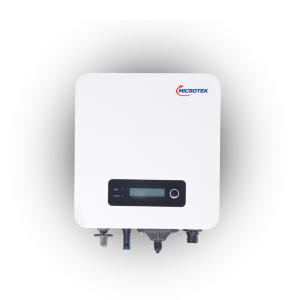
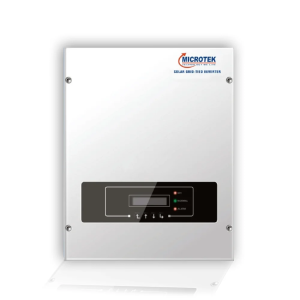
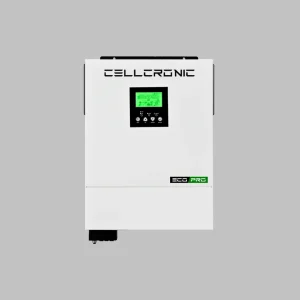
Energy experts note that Australia’s experience demonstrates how innovation is as important as infrastructure in the clean energy transition. Continued investment in long-duration storage, advanced inverters, grid-forming technologies, and next-generation renewable systems will be essential as Australia targets more than 80% renewable electricity by 2030.
Australia’s renewable milestone is increasingly being viewed as a global case study in how technology, policy, and market design can converge to deliver a resilient, low-carbon power system.
Author: Girish
Published: 3 February 2026
Source: SolSetu – Renewable Energy Innovation & Technology






Leave a Reply