Community Solar PPAs Scale Up: New Aggregation Models Bring Rooftop Benefits to Renters in 2025
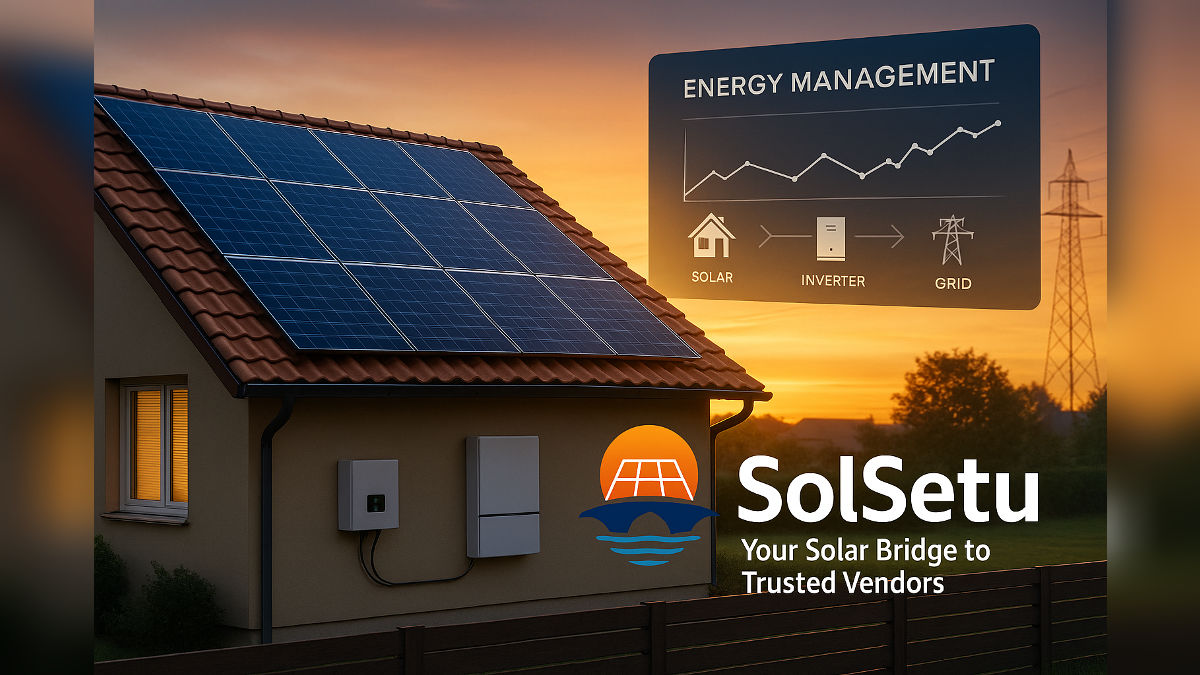
In 2025, community solar PPA (power purchase agreement) models and digital aggregation platforms are scaling rapidly across Indian cities and towns. These arrangements let a single rooftop or nearby ground-mount array supply discounted, traceable solar value to renters, shopkeepers and small businesses who otherwise lack rooftop access.
How modern community PPAs work
A host installs a solar system and signs a PPA with an aggregator or association. The generated energy is metered and credits are distributed to participating meters according to an agreed formula (fixed share, proportional to usage, or time-block allocation). Smart metering and a transparent billing dashboard reduce disputes.
Who benefits
- Renters and tenants without rooftop access — access to cheaper, cleaner power.
- Small businesses in mixed-use blocks — predictable energy costs.
- Host owners — revenue share and better asset utilisation.
Vendors & aggregator checklist
- Provide accurate metering & tamper-evident telemetry for each allocation slice.
- Offer a clear settlement dashboard that participants can audit.
- Prepare ready-made legal templates for association agreements and opt-in/opt-out terms.
- Include local DISCOM liaison and ensure regulatory compliance for metering and export rules.
Regulatory & practical notes
Regulations differ by state. Some DISCOMs now permit VNM-like settlements under set rules; others require special approvals. Aggregators must document permissions, avoid double-counting exported energy, and be clear about taxes, fees and cross-subsidies.
Real-world use cases
Community PPAs are being used by: housing societies sharing rooftop arrays, market associations deploying canopy PV for stalls, and industrial estates pooling rooftop capacity to discount small business power costs. In pilot projects, participants saved 10–25% on electricity bills compared with local tariffs.




Leave a Reply