Solar Roof Rentals: Pay-Per-Use PV Packages Help Small Businesses Cut Energy Bills in 2025
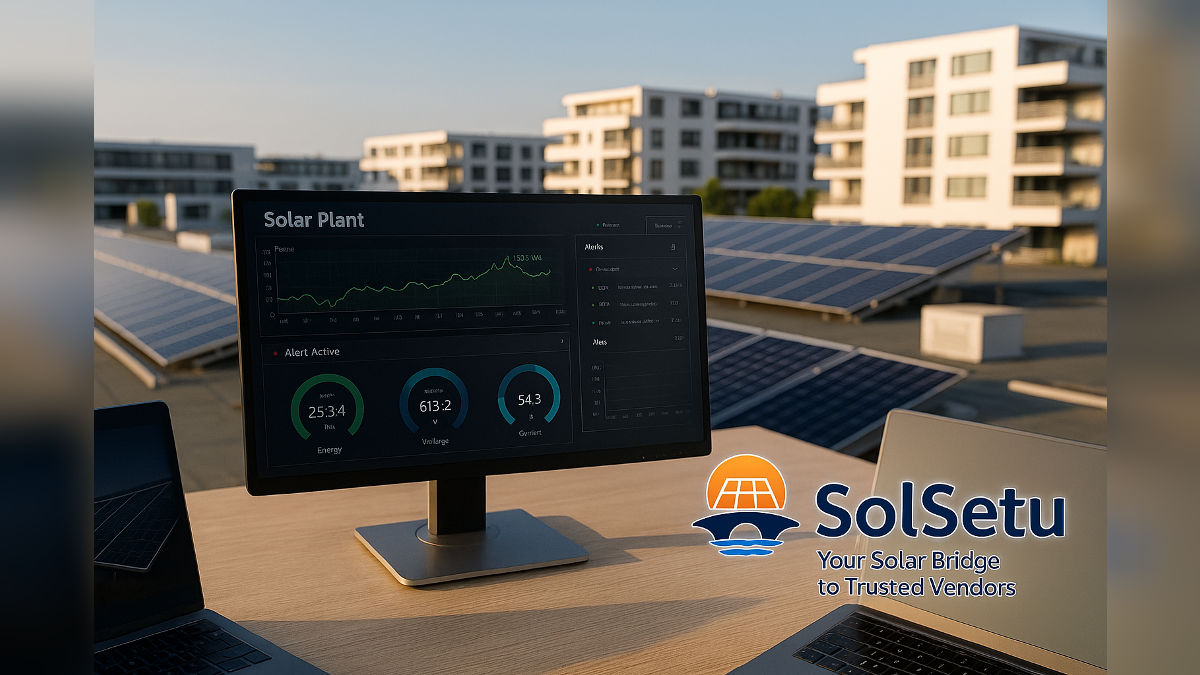
In 2025, subscription-style rooftop solar — broadly described as **solar roof rentals** or **pay-per-use PV packages** — are expanding rapidly among small shops, kirana stores, salons, and micro-enterprises. These models remove upfront costs and deliver predictable monthly energy bills, making clean power accessible to businesses that previously could not invest large capital.
How the models usually work
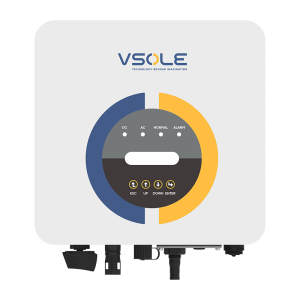
Providers install rooftop panels and a small inverter/battery as needed. The host business signs a short-to-medium term agreement (2–7 years) and pays either:
- A flat monthly subscription for an agreed generation share, or
- A pay-per-kWh tariff where the provider bills based on metered solar consumption.
Benefits for small businesses
- No upfront capital — immediate savings on energy bills.
- Predictable monthly expense replacing volatile grid bills.
- Bundled maintenance reduces downtime and administrative burden.
- Access to clean energy branding that attracts eco-conscious customers.
Vendor checklist — what to offer
Vendors designing roof-rental packages should include:
- Clear billing: per-kWh rates, billing cycles and escalation clauses.
- Performance guarantees (minimum monthly generation or uptime).
- Maintenance SLAs and quick-replacement policies for panels/inverters.
- Simple termination and transfer rules if the business relocates.
- Optional add-ons: battery backup, remote monitoring dashboard, and branding kits.
Risks & mitigations for tenants
Businesses should verify contract transparency, check device warranties, and ensure meter segregation so solar consumption is auditable. Ask vendors for historical generation data from similar rooftops and written responses for likely weather-related dips.
Financing & policy context
Pay-per-use models are often supported by third-party financiers or micro-leasing partners that advance CAPEX to vendors. Some state programmes and CSR backing can underwrite partial subsidies for public-facing micro-enterprises, making subscriptions even more affordable.




Leave a Reply