School Microgrids: How Solar + Storage Is Powering Resilience and Learning in 2025
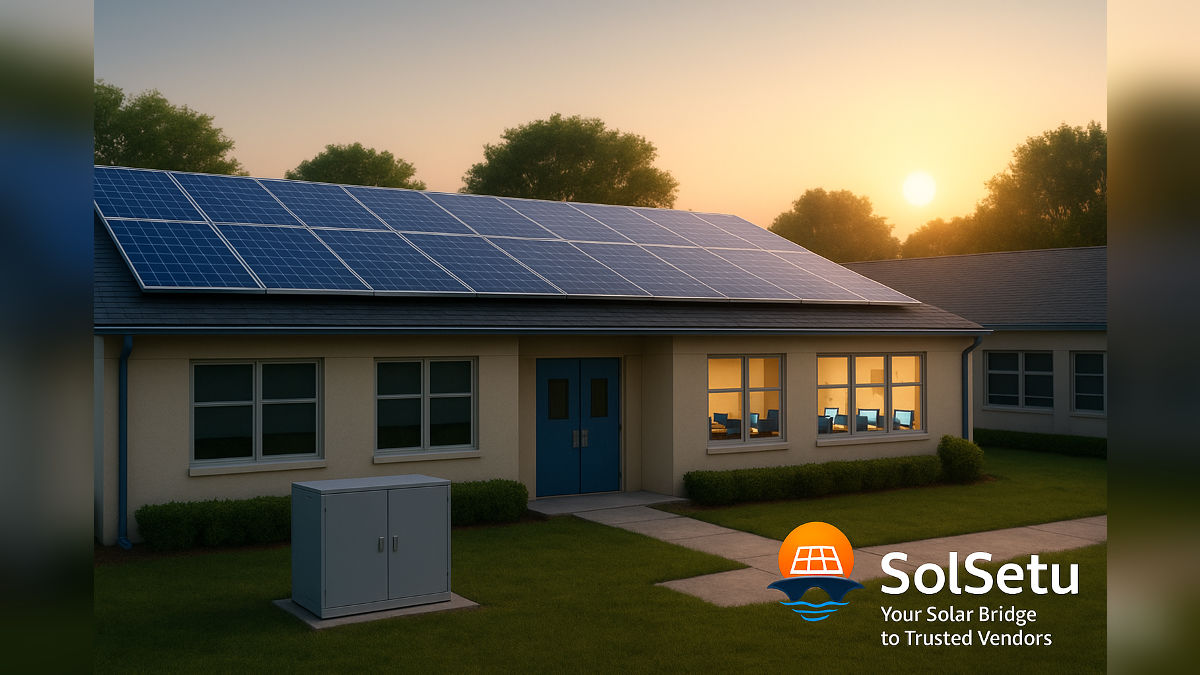
In 2025, many schools — especially in semi-urban and rural districts — are adopting small microgrids: rooftop solar arrays paired with modest battery packs and a local controller. These systems keep lights, fans, and digital classrooms running during outages, cut electricity costs, and provide reliable power for after-school activities.
Why schools are good microgrid candidates
Schools have predictable daily load profiles (morning and afternoon lessons), relatively secure roofs for PV, and measurable value from preventing school closures during outages. Microgrids support digital learning, refrigeration for labs/canteens, and evening community-use programs.
Practical checklist for school administrators
- Conduct a baseline energy audit: capture lighting, fans, computer labs and refrigerator loads.
- Choose a battery sized to cover essential evening/backup loads (often 5–15 kWh for small schools).
- Specify a modular design so capacity can grow with funding or demand.
- Include basic remote monitoring and an automated transfer switch for safe islanding.
What vendors should offer
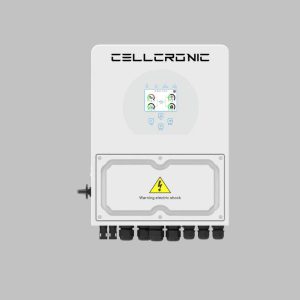
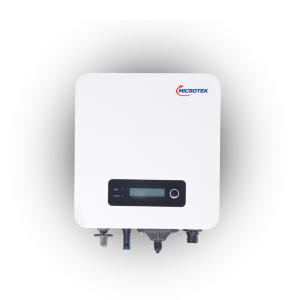
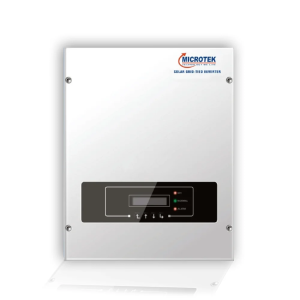
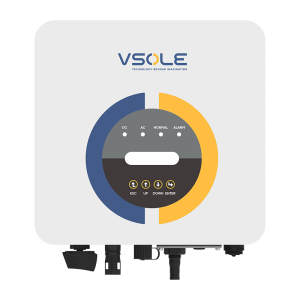
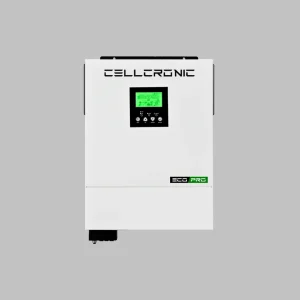
Vendors should provide turn-key packages: solar mounting, inverter & battery sizing, a simple dashboard for administrators, training for on-site staff, and a transparent maintenance contract. Subsidy-ready documentation and DISCOM liaison support speed procurement and compliance.
Community benefits & funding models
Schools with solar microgrids often serve as community resilience hubs during outages. Funding can come from a mix of state grants, CSR contributions, community crowdfunding, and low-interest municipal loans — all models that make adoption feasible for public and private schools alike.




Leave a Reply